
Itineraries 2days
Complete Tour of Hiroshima City
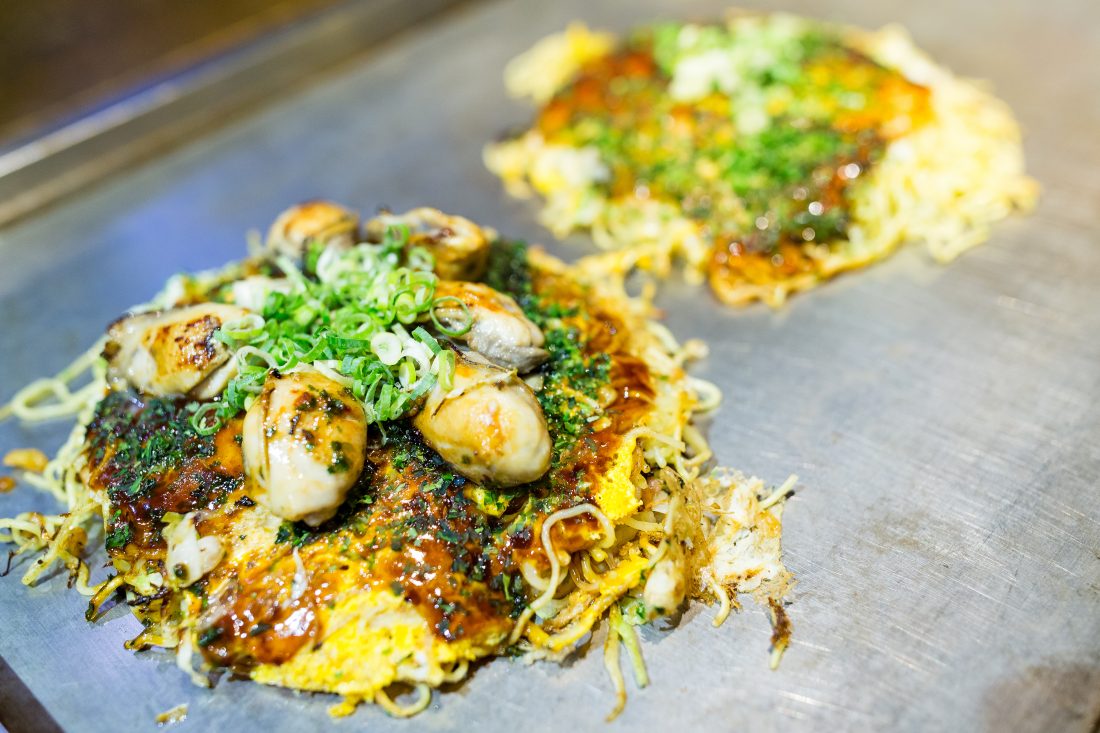
A packed full Itinerary for those bold enough to experience as much of Hiroshima City as possible in one night and two days. Visit both the major attractions and also the lesser know ones off the beaten track.
Day 1
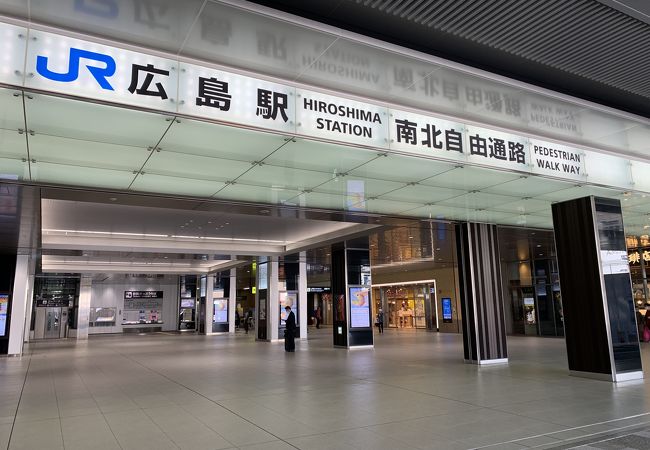
01 Hiroshima Station
- Address
- 2-37 Matsubaracho, Minami-ku, Hiroshima City, Hiroshima Prefecture, 732-0822, Japan
Transportation: Bus (Koiki Koen-mae), Astram Line Kamiyasu Station, Hiroden Bus
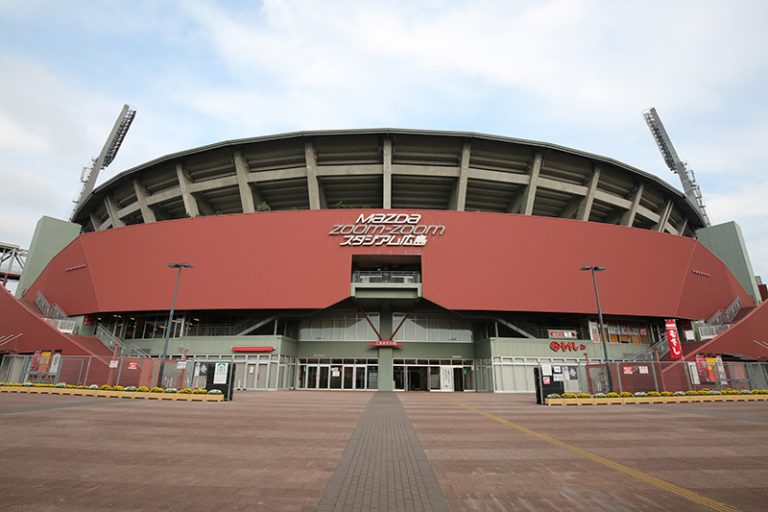
02 Mazda Zoom-Zoom Stadium
The Mazda Zoom-Zoom Stadium is the home of the Hiroshima Toyo Carp, Hiroshima’s professional baseball team. Famous Carp players include former team member Kuroda Hiroki, who played for the New York Yankees, and Maeda Kenta, who is currently playing for the Minnesota Twins. 2020 marks the 70th anniversary since the team was founded. The Mazda Zoom-Zoom Stadium opened in 2009 and is the second generation of the original stadium. It is a place where you can watch baseball games and enjoy great food and shopping at the team’s original souvenir stores.
[Admission fee (unreserved
seating)]
High School students and
above – ¥1,900
Elementary/Junior High School
students – ¥900
※ Depending on the game, it
is possible that tickets will sell
out.
- Address
- 732-08032-3-1 Minamikaniya, Minami-ku, Hiroshima City, Hiroshima Prefecture

Day 2
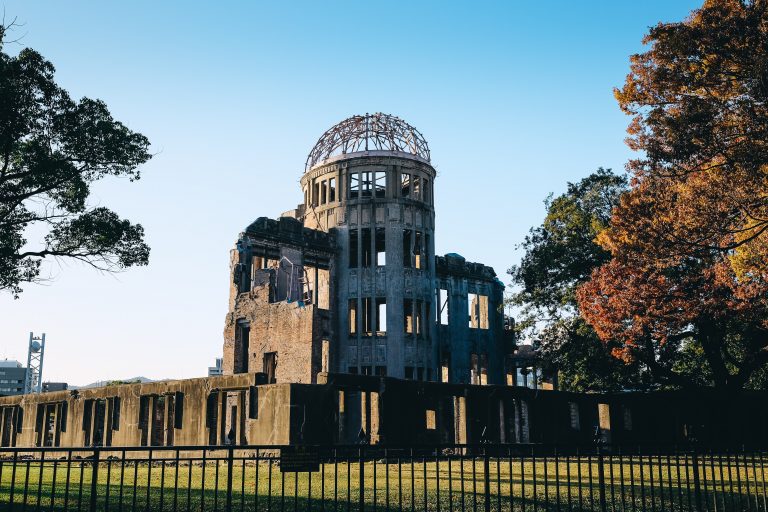
01 Atomic Bomb Dome
August 6, 1945. The world’s first atomic bomb was dropped on Hiroshima. To this day, the Atomic Bomb Dome conveys the horror of the bomb’s destructive power and the extent of the damage it caused. The Atomic Bomb Dome avoided total destruction, although it was only about 160 meters from the blast’s hypocenter. However, all the people inside the building died instantly, and the beautiful Western-style exterior and interior were utterly destroyed, with only the building’s steel frame remaining intact. In 1996, the Atomic Bomb Dome was registered as a World Heritage Site to be an architectural reminder of the horrors of nuclear weapons.
- Address
- 730-0051 1-10 Otemachi, Naka-ku, Hiroshima City, Hiroshima Prefecture
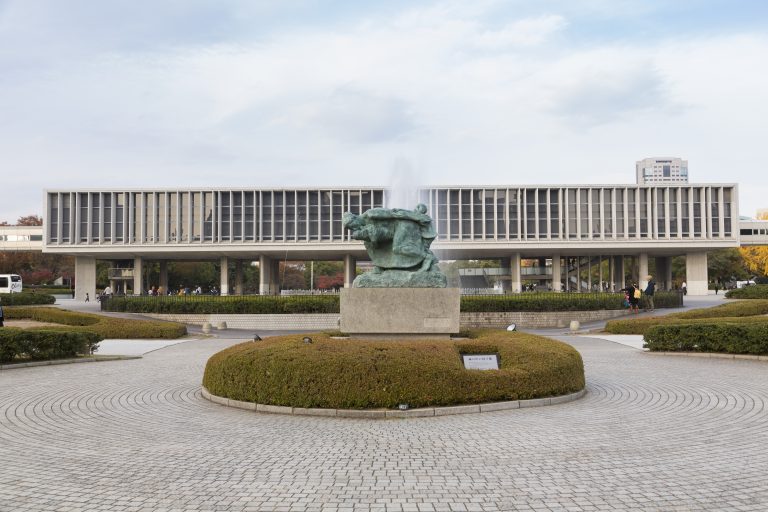
02 Hiroshima Peace Memorial Museum
The Hiroshima Peace Memorial Museum is a facility that exhibits materials related to the atomic bombings. Such items include artifacts of A-bomb survivors as well as photographs and drawings that illustrate the devastation of the bombing. More than 400,000 foreign visitors have visited the museum to date, and overseas visitors account for 20-30% of the total number of visitors. The exhibits at the Hiroshima Peace Memorial Museum are divided into five areas in total and appeal to the world for peace from two main perspectives: “What happened in Hiroshima on August 6, 1945, and how the city was rebuilt,” and “How terrible and destructive nuclear weapons really are.” Audioguides (400 yen per unit) are also available for rent to help visitors learn more about the exhibits. The audio guides are available in Japanese, English, Chinese, Korean, French, Spanish, Portuguese, German, Italian, Russian, and Thai.
(Exhibition admission fee)
18+ – ¥200
High School student – ¥100
Junior High School student
or under – Free
※ If you are a student, please
present your passport or
school ID at reception when
purchasing your ticket.
- Address
- 730-08111-2 Nakajima-cho, Naka-ku, Hiroshima City, Hiroshima Prefecture
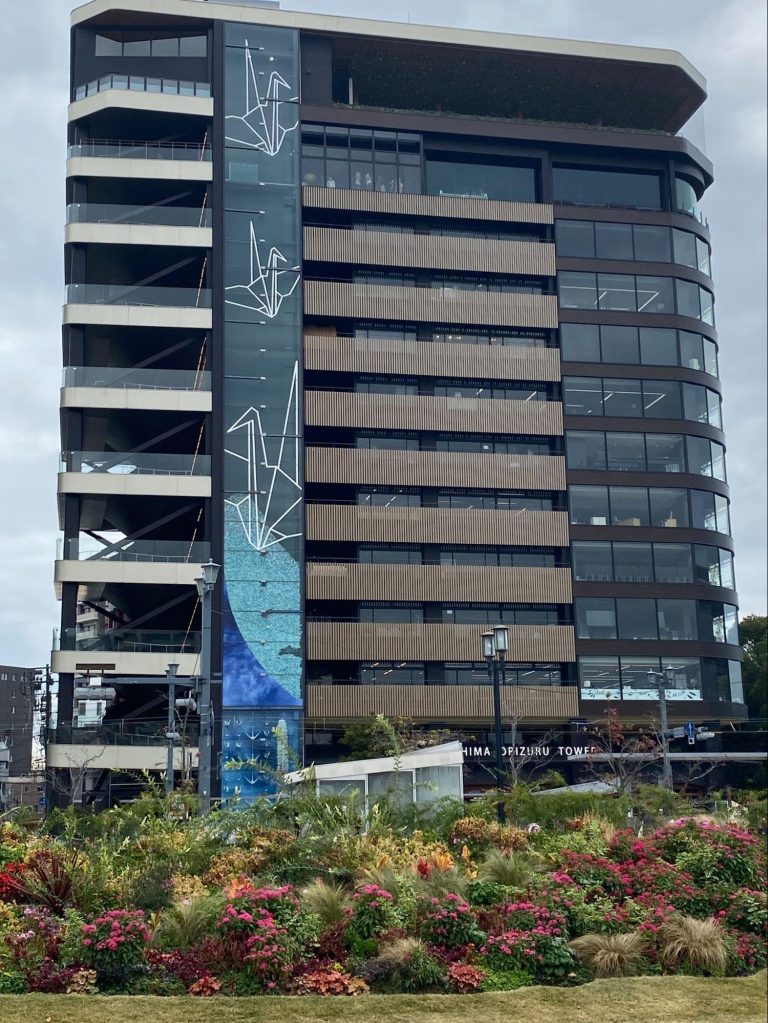
03 Orizuru Tower
Orizuru Tower is a tourist attraction located next to the Atomic Bomb Dome. The walls of the building are decorated with illustrations of a paper cranes, which represent a symbol of peace. There are also occasionally peace related events that are held inside the building. The first floor has a café and souvenir shop, and the 12th floor has a “Paper Crane Plaza” where visitors can try their hand at making paper cranes. From the rooftop, there is an observation floor called “Hiroshima-no-kaze” where you can enjoy a panoramic view of Hiroshima City and spend time relaxing.
- Address
- 730-00512-1 Otemachi 1 chome, Naka-ku, Hiroshima City, Hiroshima
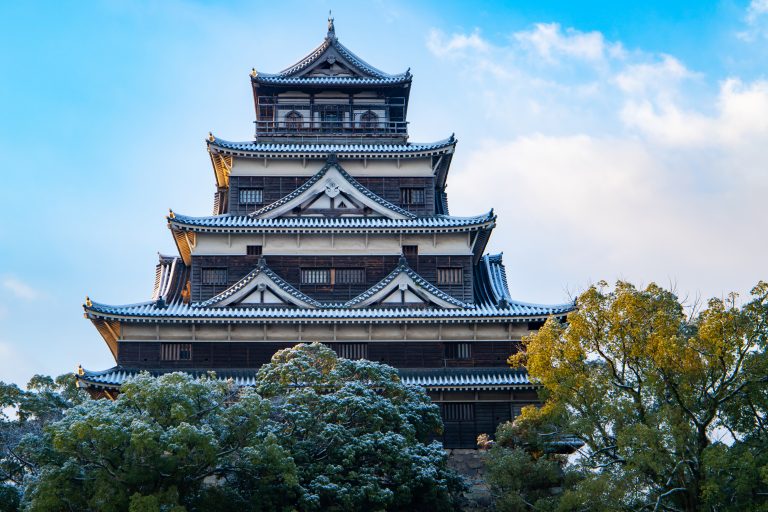
04 Hiroshima Castle
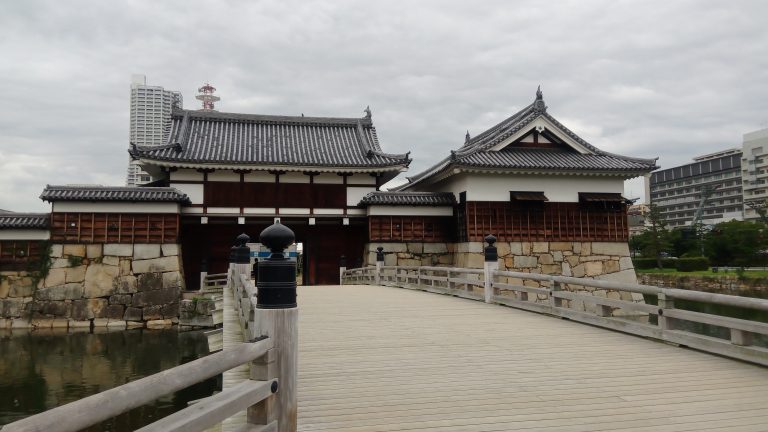
Hiroshima Castle was built in the year 1599 by Hiroshima’s most powerful warrior and leader at the time, Mori Terumoto. The castle featured a five-story Castle Tower, a Honmaru Palace, and a moat that flows like a river. Unfortunately, both the Castle Tower and the Honmaru Palace were destroyed by the atomic bombing in 1945, and only the Castle Tower has been reconstructed. The castle tower now houses the Hiroshima Castle Museum, which exhibits materials related to Hiroshima’s history, the Mori family, local folklore, and natural history.
(Entry fee)
18+ – ¥370
Senior citizen – ¥180
High School student – ¥180
Junior High School student
or under – Free
※ For students and senior
citizens, please present
identification to verify your age
such as your passport, or
school ID, at reception when
purchasing your ticket.
- Address
- 730-001121-1 Motomachi, Naka-ku, Hiroshima City, Hiroshima Prefecture
05 Hiroshima GokokuShrine
The Hiroshima Gokoku Shrine is located on the site of Hiroshima Castle, and is the largest shrine in the city center. Various festivals are held at the shrine, including the Toshidansai (New Year’s Day Festival) held every year on January 1st. Another popular festival is the Tondomatsuri. Held on January 15, every year it attracts many people who come to see the huge bonfires to pray for good health and family safety. If you are lucky, you might also see a wedding ceremony in the traditional Japanese kimono style, however you will have to watch from a distance.
- Address
- 730-001121-2 Motomachi, Naka-ku, Hiroshima City, Hiroshima
07 Shukkeien Garden
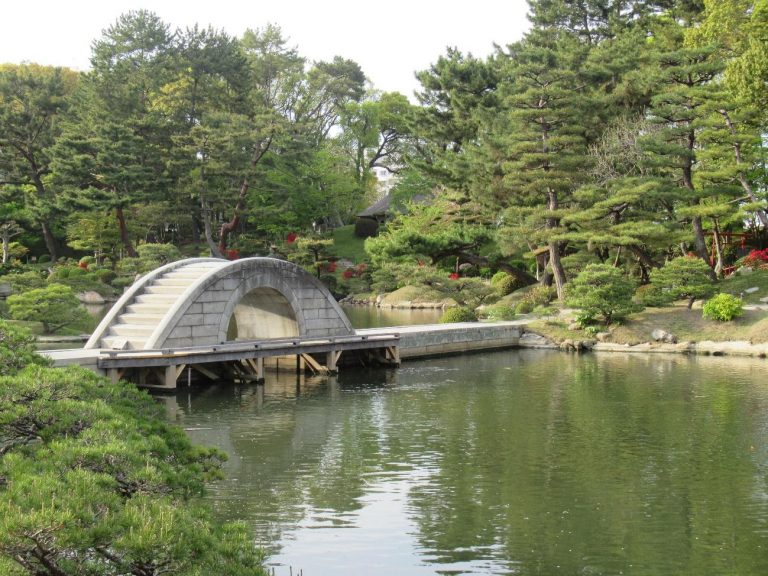
Shukkeien is a Japanese garden located next to the Hiroshima Prefectural Art Museum. The garden was ordered to be built during the Edo Period in the year 1620 by the the Feudal Lord of Hiroshima at the time, Asano Nagaakira. The design of this historic Japanese garden was made by Ueda Soko, the famous tea ceremony master. In 2020, the garden celebrated its 400th anniversary. The garden is filled with a variety of flowers and trees that bloom in every season of the year, allowing visitors to experience the beauty of Japan’s four seasons. If you visit the park in combination with the Hiroshima Prefectural Art Museum, you can get a discount on both admission fees.
(Entry fee)
[Garden only]
General admission – ¥260
High School/University student
¥150
Elementary/Junior High School
student – ¥100
(Garden & Museum set)
General admission – ¥610
High School/University student
¥350
※ For students and senior
citizens, please present
identification to verify your age
such as your passport, or
school ID, at reception before
entering the garden.
- Address
- 730-00142-11 Kaminobori-cho, Naka-ku, Hiroshima City, Hiroshima Prefecture
08 Hiroshima Prefectural Art Museum
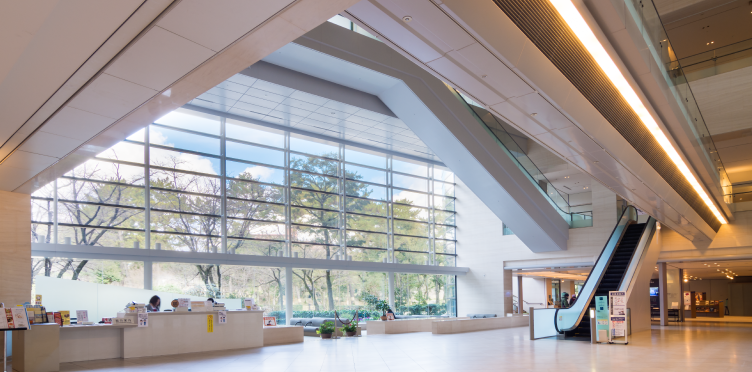
Located in the center of Hiroshima City, the museum is adjacent to the Shukkeien Garden, a national scenic beauty with abundant greenery.
From the lobby and rest rooms, you can enjoy the seasonal scenery of the Shukkeien Garden, which was built as a feudal garden for the Asano family, lords of the Hiroshima domain.
The museum is also home to a wide variety of artworks, including the “Imari Bowl with Design of Flowers and Plants in Color” and “Itsukushima” (Important Cultural Property), “Art Works Related to Hiroshima” by Ay Mitsu, Entsuba Shozo, Hirayama Ikuo, etc., “Japanese and Asian Crafts” including folk art works by Kawai Takujiro and Hamada Shoji, Central Asian dyeing and weaving, and metalwork, as well as The collection includes over 5,000 works (including those deposited) under the theme of “Art of the 1920s and 1930s,” such as Salvador Dali’s “Dream of Venus” and Isamu Noguchi’s “Reminiscence. The collection is changed four times a year and introduced in exhibitions. Volunteer guides from the Tomo no Kai provide easy-to-understand information about the works.
In addition, the Special Exhibition Room holds about six special exhibitions a year. Many events such as lectures and concerts are held in conjunction with the special exhibitions.
- Address
- 2-22 Kaminobori, Naka-ku, Hiroshima City, Hiroshima
11 Hondori-Street
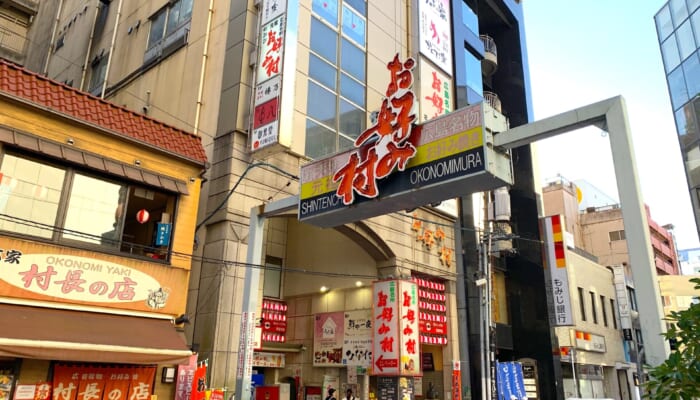
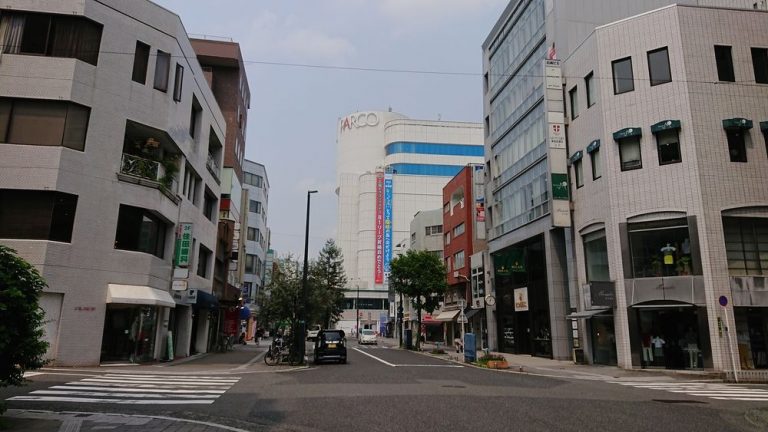
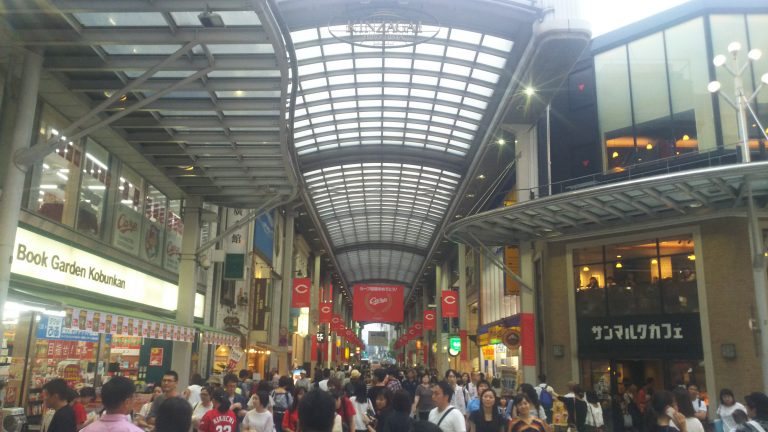
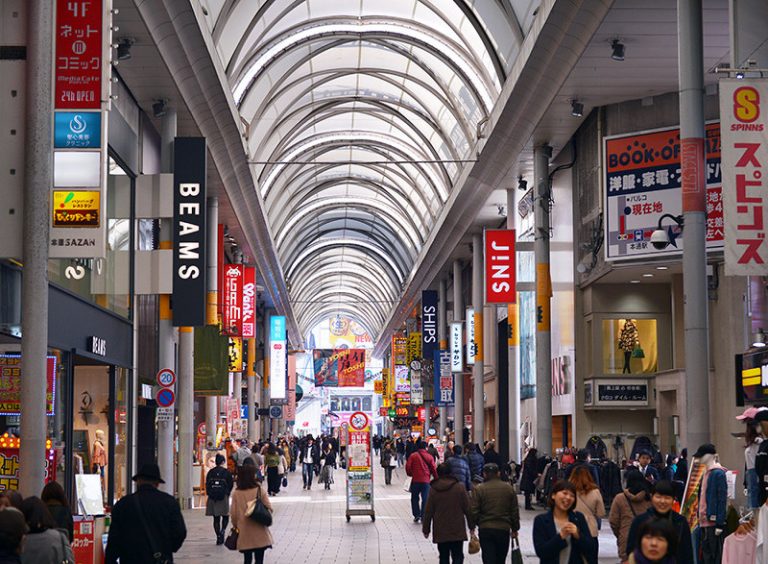
The bustling downtown area is called Hondori, named after the pedestrian-only arcade shopping street that symbolizes the city. This shopping street is lined with clothing stores representing Japan and countries around the world. At night, the neon lights of izakaya (Japanese pubs) and pubs come on all at once. Ramen specialty stores and sushi restaurants with counter seating are open until midnight. Nearby, Okonomimura is a collection of restaurants specializing in Hiroshima’s special okonomiyaki.
Hiroshima Station
2-37 Matsubaracho, Minami-ku, Hiroshima City, Hiroshima Prefecture, 732-0822, Japan
Mazda Zoom-Zoom Stadium
732-08032-3-1 Minamikaniya, Minami-ku, Hiroshima City, Hiroshima Prefecture
Okonomimura
5-13 Shintenchi, Naka-ku, Hiroshima 730-0034 Hiroshima Prefecture
Atomic Bomb Dome
730-0051 1-10 Otemachi, Naka-ku, Hiroshima City, Hiroshima Prefecture
Hiroshima Peace Memorial Museum
730-08111-2 Nakajima-cho, Naka-ku, Hiroshima City, Hiroshima Prefecture
Orizuru Tower
730-00512-1 Otemachi 1 chome, Naka-ku, Hiroshima City, Hiroshima
Hiroshima Castle
730-001121-1 Motomachi, Naka-ku, Hiroshima City, Hiroshima Prefecture
Hiroshima GokokuShrine
730-001121-2 Motomachi, Naka-ku, Hiroshima City, Hiroshima
Shukkeien Garden
730-00142-11 Kaminobori-cho, Naka-ku, Hiroshima City, Hiroshima Prefecture
Hiroshima Prefectural Art Museum
2-22 Kaminobori, Naka-ku, Hiroshima City, Hiroshima