
Itineraries 2days
World Heritage and History of Hiroshima
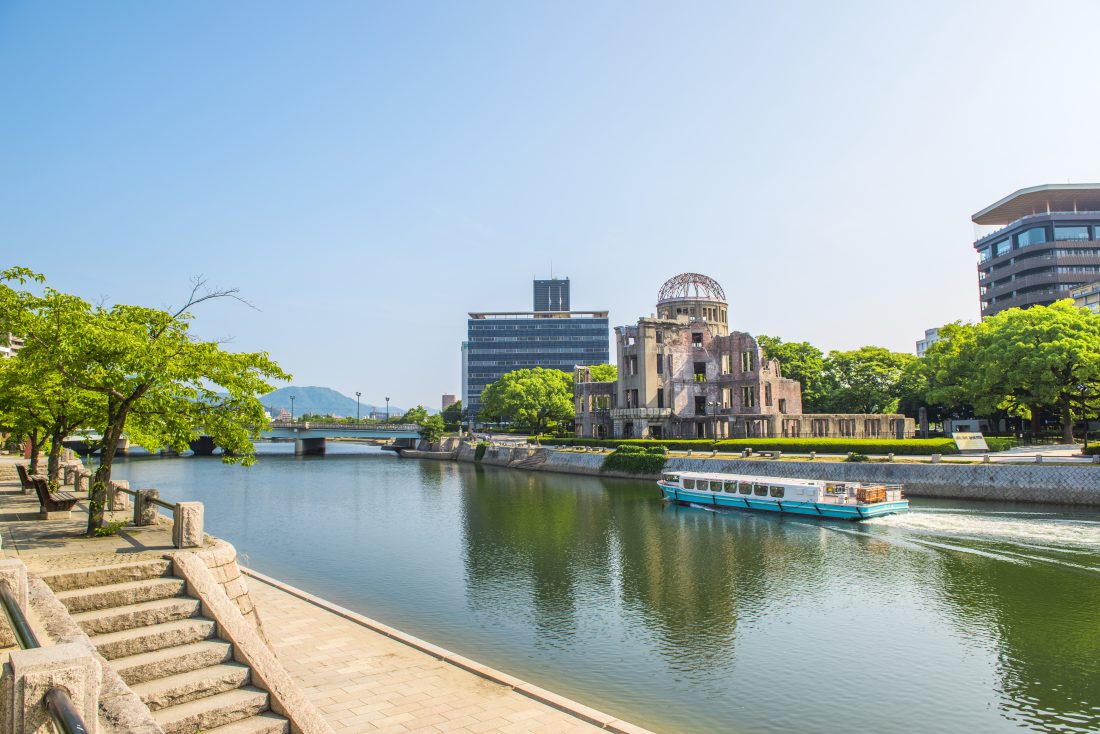
For first-time visitors to Hiroshima, this is a great plan full of must-see attractions. Enjoy two World Heritage Sites and the strong history of Hiroshima in just two days and one night.
Day 1
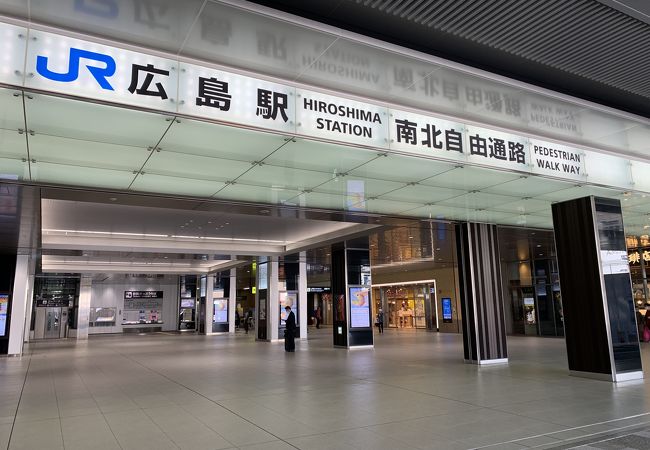
01 Hiroshima Station
- Address
- 2-37 Matsubaracho, Minami-ku, Hiroshima City, Hiroshima Prefecture, 732-0822, Japan
Transportation: JR Miyajima-guchi Station, Miyajima Pier [Tram (Miyajima Line) & Miyajima Ferry].
02 Itsukushima Shrine
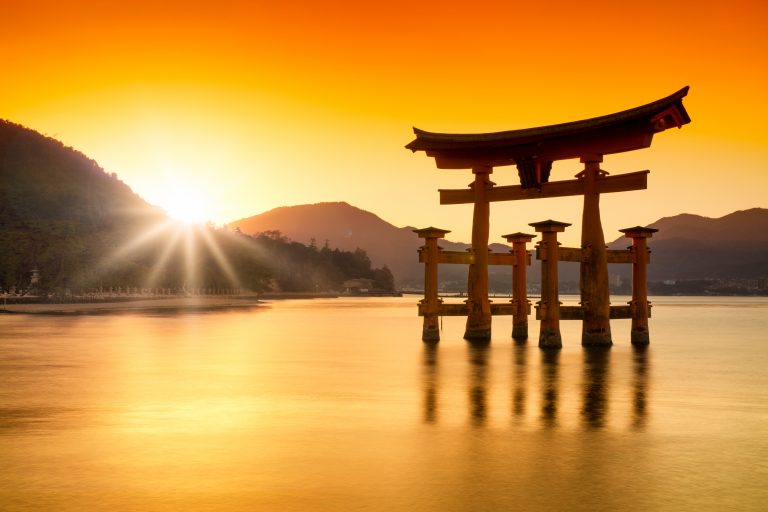
Itsukushima Shrine is a famous shrine located on Miyajima Island in the Hatsukaichi city limits of Hiroshima Prefecture. Itsukushima Shrine was initially built in the year 593, but it was not until the year 1168 that the military leader Taira no Kiyomori rebuilt the shrine into its present magnificent state. The gods enshrined at the shrine are known as the Munakata Sanjojin. (Three Goddesses of Munakata) They are believed to have power over maritime safety, fishing, traffic safety, and business prosperity. In 1996, Itsukushima Shrine was registered as a UNESCO World Heritage Site along with the Atomic Bomb Dome.
(Admission Fee)
Adult – ¥300
High School student – ¥200
Elementary/Junior High School
student – ¥100
(Admission & Treasure House
set)
Adult – ¥500
High School student – ¥300
Elementary/Junior High School
student – ¥150
※ If you are a student, please
present your passport or
school ID at reception when
purchasing your ticket.
- Address
- 739-05881-1 Miyajima-cho, Hatsukaichi City, Hiroshima Prefecture
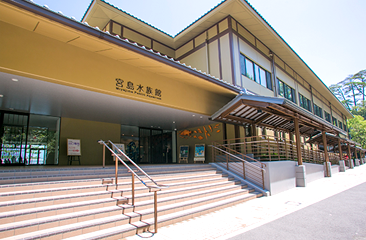
04 Miyajima PublicAquarium
The Miyajima Aquarium is the only aquarium on Miyajima Island, and is a popular tourist spot for both domestic and international visitors. The aquarium is divided into 15 areas, where you can see the rare fish and aquatic creatures that live in the Seto Inland Sea, where Miyajima is located. A sea lion show is held every day in a special pool outside the facility. Watch the sea lions perform tricks, see their powerful jumps and experience a great view as you watch them swim up close.
- Address
- 739-053410-3 Miyajima-cho, Hatsukaichi City, Hiroshima
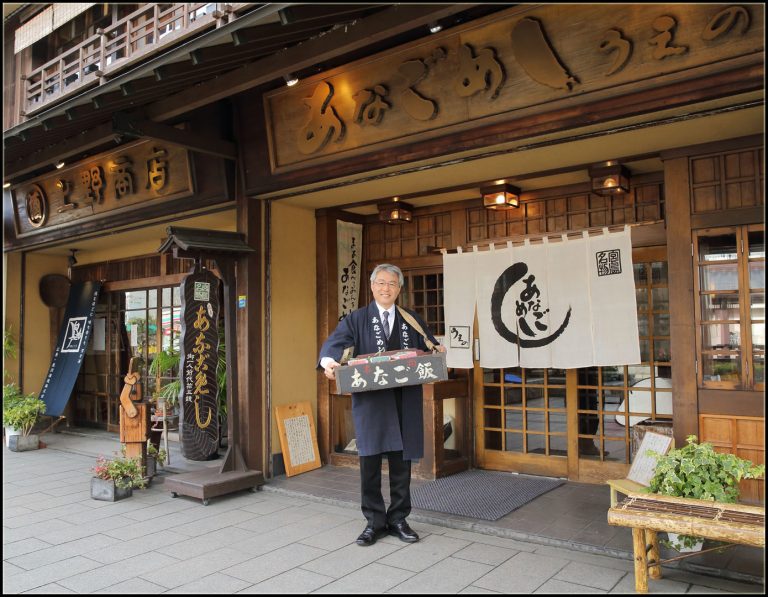
05 Anago-meshi Ueno Miyajima-guchi Honten
The Anago-meshi Ueno Miyajima-guchi Honten is a long-standing Japanese restaurant established in 1901. It specializes in anago (conger eel) dishes and serves Anago-Meshi,” a famous Miyajima specialty. Conger eel is a specialty of Miyajima, along with oysters. This location offers anago-meshi using freshly grilled anago in a special recipe. The restaurant also sells takeout anago-meshi lunch boxes.
- Address
- 739-04111-5-11 Miyajima-guchi, Hatsukaichi City, Hiroshima Prefecture
Transportation: JR Shin Hakushima Station, Hondori Station [Sanyo Main Line & Astram Line]
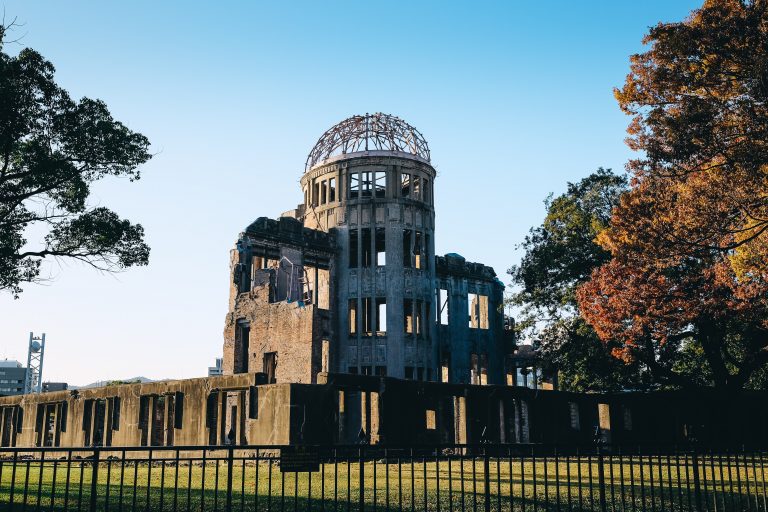
06 Atomic Bomb Dome
August 6, 1945. The world’s first atomic bomb was dropped on Hiroshima. To this day, the Atomic Bomb Dome conveys the horror of the bomb’s destructive power and the extent of the damage it caused. The Atomic Bomb Dome avoided total destruction, although it was only about 160 meters from the blast’s hypocenter. However, all the people inside the building died instantly, and the beautiful Western-style exterior and interior were utterly destroyed, with only the building’s steel frame remaining intact. In 1996, the Atomic Bomb Dome was registered as a World Heritage Site to be an architectural reminder of the horrors of nuclear weapons.
- Address
- 730-0051 1-10 Otemachi, Naka-ku, Hiroshima City, Hiroshima Prefecture
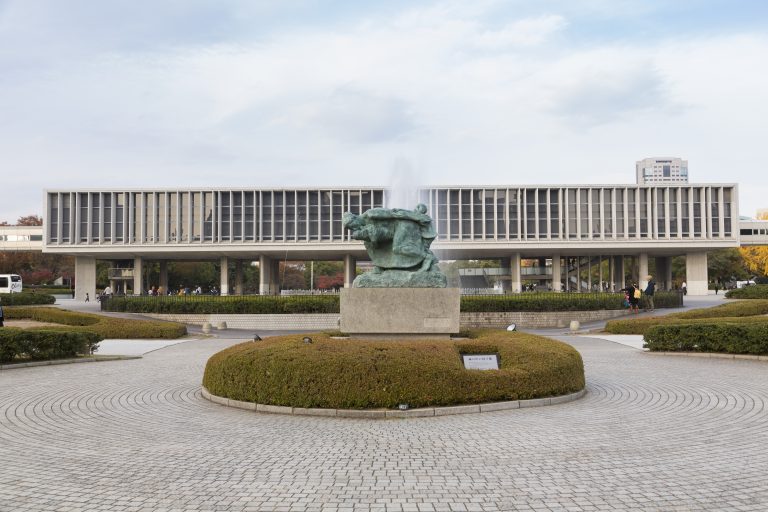
07 Hiroshima Peace Memorial Museum
The Hiroshima Peace Memorial Museum is a facility that exhibits materials related to the atomic bombings. Such items include artifacts of A-bomb survivors as well as photographs and drawings that illustrate the devastation of the bombing. More than 400,000 foreign visitors have visited the museum to date, and overseas visitors account for 20-30% of the total number of visitors. The exhibits at the Hiroshima Peace Memorial Museum are divided into five areas in total and appeal to the world for peace from two main perspectives: “What happened in Hiroshima on August 6, 1945, and how the city was rebuilt,” and “How terrible and destructive nuclear weapons really are.” Audioguides (400 yen per unit) are also available for rent to help visitors learn more about the exhibits. The audio guides are available in Japanese, English, Chinese, Korean, French, Spanish, Portuguese, German, Italian, Russian, and Thai.
(Exhibition admission fee)
18+ – ¥200
High School student – ¥100
Junior High School student
or under – Free
※ If you are a student, please
present your passport or
school ID at reception when
purchasing your ticket.
- Address
- 730-08111-2 Nakajima-cho, Naka-ku, Hiroshima City, Hiroshima Prefecture
08 Orizuru Tower
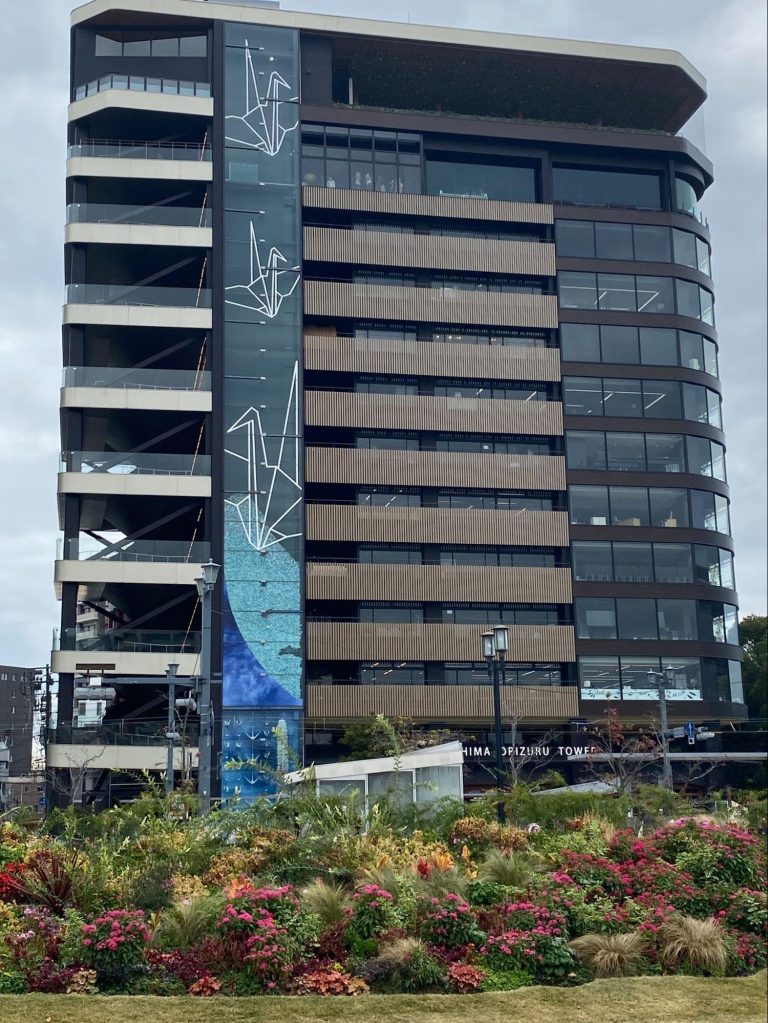
Orizuru Tower is a tourist attraction located next to the Atomic Bomb Dome. The walls of the building are decorated with illustrations of a paper cranes, which represent a symbol of peace. There are also occasionally peace related events that are held inside the building. The first floor has a café and souvenir shop, and the 12th floor has a “Paper Crane Plaza” where visitors can try their hand at making paper cranes. From the rooftop, there is an observation floor called “Hiroshima-no-kaze” where you can enjoy a panoramic view of Hiroshima City and spend time relaxing.
- Address
- 730-00512-1 Otemachi 1 chome, Naka-ku, Hiroshima City, Hiroshima
09 Hiroshima Castle
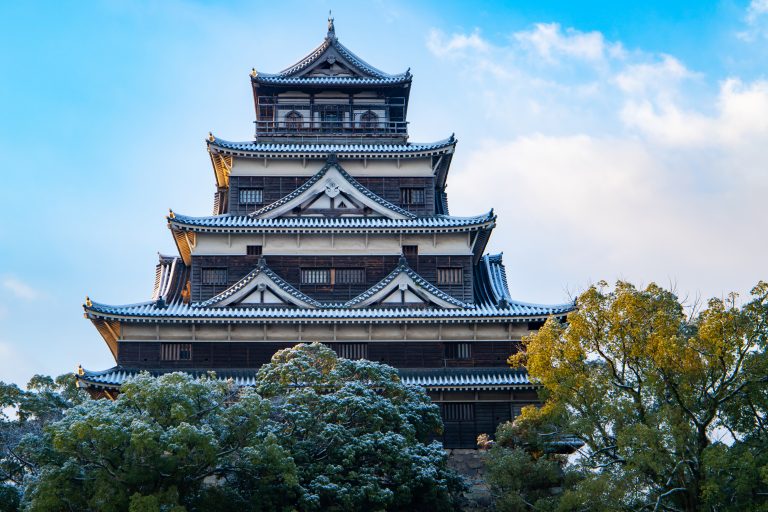
Hiroshima Castle was built in the year 1599 by Hiroshima’s most powerful warrior and leader at the time, Mori Terumoto. The castle featured a five-story Castle Tower, a Honmaru Palace, and a moat that flows like a river. Unfortunately, both the Castle Tower and the Honmaru Palace were destroyed by the atomic bombing in 1945, and only the Castle Tower has been reconstructed. The castle tower now houses the Hiroshima Castle Museum, which exhibits materials related to Hiroshima’s history, the Mori family, local folklore, and natural history.
(Entry fee)
18+ – ¥370
Senior citizen – ¥180
High School student – ¥180
Junior High School student
or under – Free
※ For students and senior
citizens, please present
identification to verify your age
such as your passport, or
school ID, at reception when
purchasing your ticket.
- Address
- 730-001121-1 Motomachi, Naka-ku, Hiroshima City, Hiroshima Prefecture
10 Hiroshima GokokuShrine
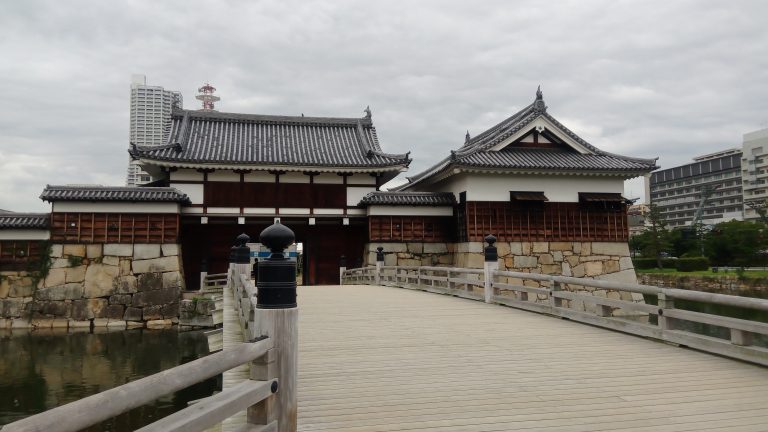
The Hiroshima Gokoku Shrine is located on the site of Hiroshima Castle, and is the largest shrine in the city center. Various festivals are held at the shrine, including the Toshidansai (New Year’s Day Festival) held every year on January 1st. Another popular festival is the Tondomatsuri. Held on January 15, every year it attracts many people who come to see the huge bonfires to pray for good health and family safety. If you are lucky, you might also see a wedding ceremony in the traditional Japanese kimono style, however you will have to watch from a distance.
- Address
- 730-001121-2 Motomachi, Naka-ku, Hiroshima City, Hiroshima

Day 2
Transportation: Kure Station [Kure Line]
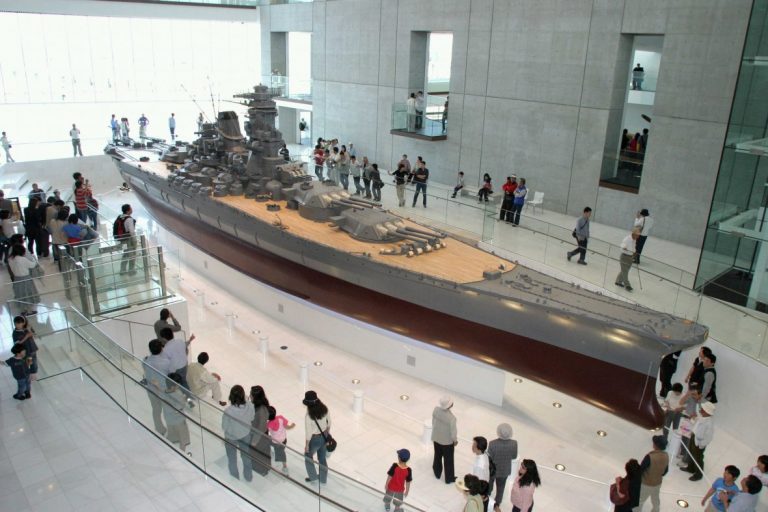
02 Kure Maritime Museum (Yamato Museum)
Kure City was once the location of the largest naval arsenal in Japan. During World War II, the city built the great Battleship Yamato, which was one of the world’s largest battleships at the time. After the war, the city built many of the world’s largest trading tankers, and today Kure continues to flourish as a shipbuilding town. The Yamato Museum, located a five-minute walk from Kure Station, is a museum that introduces the modern history of Kure’s use as a military port and Kure’s world-class shipbuilding and their application of science and technology over the ages. The museum has valuable artifacts such as a full-size Type 62 Zero fighter plane and an exhibition room that explains shipbuilding and other scientific advancements in a step-by-step manner that is easy to understand for everyone.
(Exhibition Admission Fee)
General (University students
and above) – ¥500
High School students – ¥300
Elementary/Junior High School
students – ¥200
Preschoolers – Free
※ If you are a student, please
present your passport or
school ID at reception when
purchasing your ticket.
- Address
- 737-00295-20 Takara-cho, Kure City, Hiroshima Prefecture
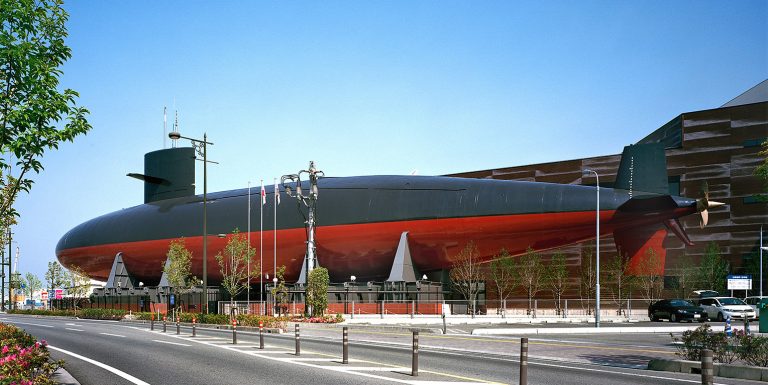
03 Japan Maritime Self-Defense Force (JMSDF) Kure Museum (Iron Whale Museum)
The Japan Maritime Self-Defense Force (JMSDF) Kure Museum (also known as the Iron Whale Museum) is the only museum in Japan that displays an actual full-size submarine above water. The museum has documents on the Maritime Self-Defense Force’s history, which still has its main base in Kure. The museum also has information on the functions of the underwater minesweeping taskforce, whose mission is to find and dispose of mines and other hazardous materials. There is also information on the history and technologies used in submarines and daily activities on board the vessels.
Free admission
- Address
- 737-00295-32 Takaracho, Kure, Hiroshima Prefecture
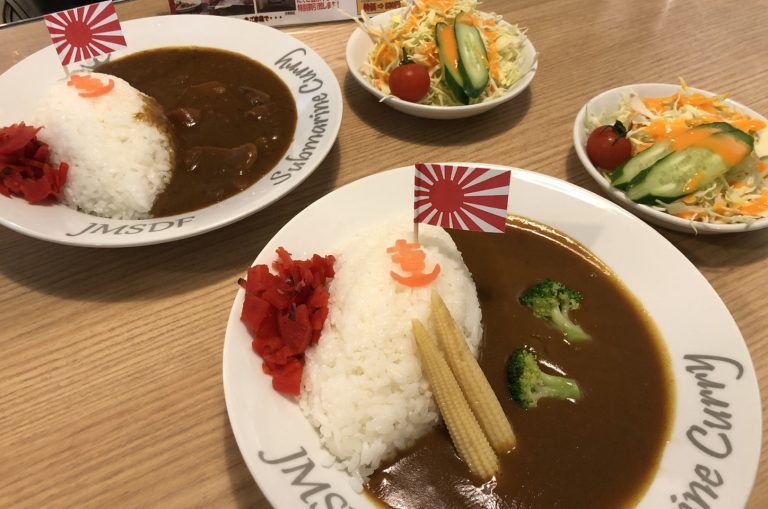
04 Kure Hi Kara Shokudou
The Kure Hi Kara Shokudou is a café-restaurant located about a three-minute walk from Kure Station. The restaurant is reminiscent of the inside of a submarine and offers a variety of dishes such as Kure’s famous “Maritime Curry.” The Kure Hi Kara Shokudou serves the same curry served on the Sōryū-class submarines, which was originally a weekend dinner for submarine crews.
- Address
- 737-0029Orimoto Marine Building No. 3, 4-21 Takaracho, Kure City, Hiroshima Prefecture
Transportation: JR Takehara Station [Kure Line]
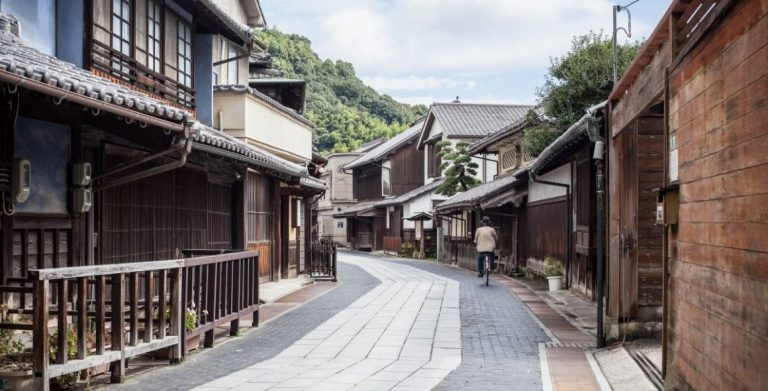
05 Takehara TownscapeConservation Area
Known as “Aki’s Little Kyoto,” the Takehara Townscape Conservation Area is a tourist spot where you can see the old streets of Takehara City, which has prospered since ancient times. Lined with old houses and warehouses that are over several hundred years old the area has been selected as a national important traditional building preservation district. Once you step into the district, you will feel as if you have taken a step back in time to traditional Japan.
- Address
- 725-0022 Honmachi 3 chome, Takehara City, Hiroshima
Transportation: JR Sanyo Line
06 Mihara Castle Ruins
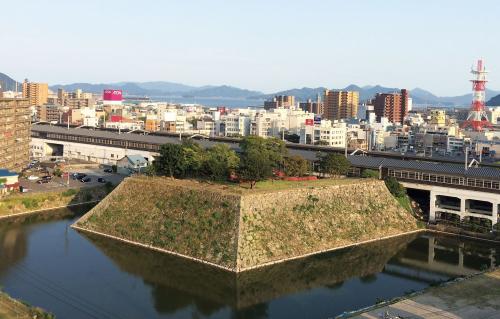
The Mihara Castle Ruins are the ruins of the great Mihara Castle that once existed in Mihara City, Hiroshima Prefecture. Although only a part of the castle still exists, such as the castle tower (the stone foundation of the castle tower), the moat surrounding the castle, and the Funairi Tower, it is known as a popular tourist spot visited by most of the tourists who come to Mihara City for sightseeing due to its convenience of being just a short walk from JR Mihara Station. This is one of the few places in Japan where you can see part of the castle ruins from the platform of JR Mihara Station, or even from the JR train.
- Address
- 723-0004.Tachicho 1 chome, Mihara City, Hiroshima
Hiroshima Station
2-37 Matsubaracho, Minami-ku, Hiroshima City, Hiroshima Prefecture, 732-0822, Japan
Itsukushima Shrine
739-05881-1 Miyajima-cho, Hatsukaichi City, Hiroshima Prefecture
Miyajima Omotesando Street
Miyajima PublicAquarium
739-053410-3 Miyajima-cho, Hatsukaichi City, Hiroshima
Anago-meshi Ueno Miyajima-guchi Honten
739-04111-5-11 Miyajima-guchi, Hatsukaichi City, Hiroshima Prefecture
Atomic Bomb Dome
730-0051 1-10 Otemachi, Naka-ku, Hiroshima City, Hiroshima Prefecture
Hiroshima Peace Memorial Museum
730-08111-2 Nakajima-cho, Naka-ku, Hiroshima City, Hiroshima Prefecture
Orizuru Tower
730-00512-1 Otemachi 1 chome, Naka-ku, Hiroshima City, Hiroshima
Hiroshima Castle
730-001121-1 Motomachi, Naka-ku, Hiroshima City, Hiroshima Prefecture
Hiroshima GokokuShrine
730-001121-2 Motomachi, Naka-ku, Hiroshima City, Hiroshima
Okonomimura
5-13 Shintenchi, Naka-ku, Hiroshima 730-0034 Hiroshima Prefecture
Kure Maritime Museum (Yamato Museum)
737-00295-20 Takara-cho, Kure City, Hiroshima Prefecture
Japan Maritime Self-Defense Force (JMSDF) Kure Museum (Iron Whale Museum)
737-00295-32 Takaracho, Kure, Hiroshima Prefecture
Kure Hi Kara Shokudou
737-0029Orimoto Marine Building No. 3, 4-21 Takaracho, Kure City, Hiroshima Prefecture
Takehara TownscapeConservation Area
725-0022 Honmachi 3 chome, Takehara City, Hiroshima
Mihara Castle Ruins
723-0004.Tachicho 1 chome, Mihara City, Hiroshima